
Why I Focus on Large-Scale Projects Instead of Small Tattoos
A tattoo can be many things: a memory, a symbol, a moment, a story, or simply a piece of art someone feels connected to.
And that meaning doesn’t depend on size. A small tattoo can matter just as much as a sleeve, because the meaning belongs to the person wearing it.
But artistically — and especially within black & grey realism — scale changes what is possible.
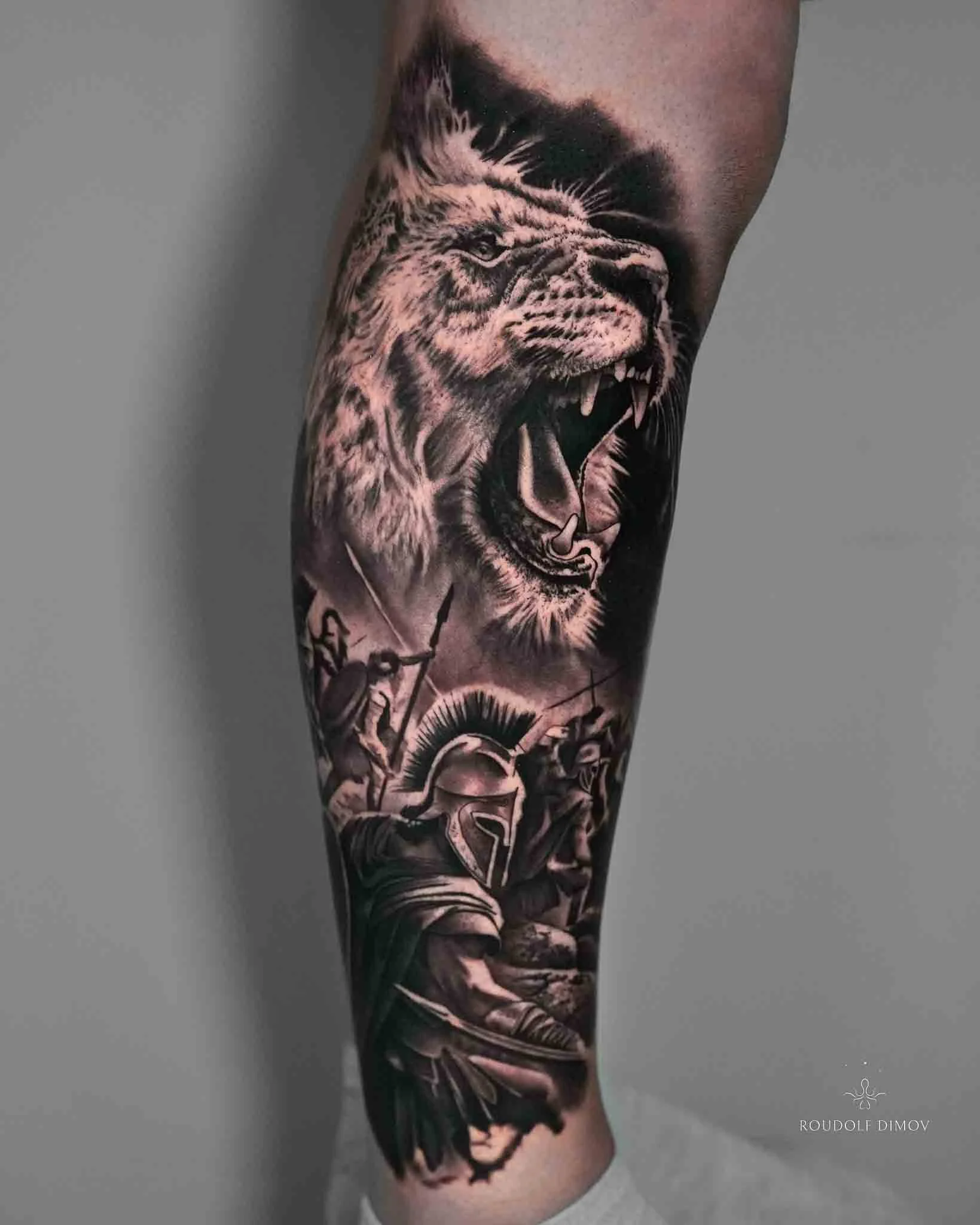
Over the years, I’ve chosen to focus almost entirely on large-scale realism projects: sleeves, back pieces, leg pieces, and multi-session work. Not because small tattoos lack value, and not because bigger is “better,” but because large-scale work allows me to create the kind of depth, storytelling, and atmosphere that define my style.
In this blog, I’ll explain why realism thrives in space, why large-scale pieces align with my artistic vision, and why small tattoos still matter — but serve a different purpose.
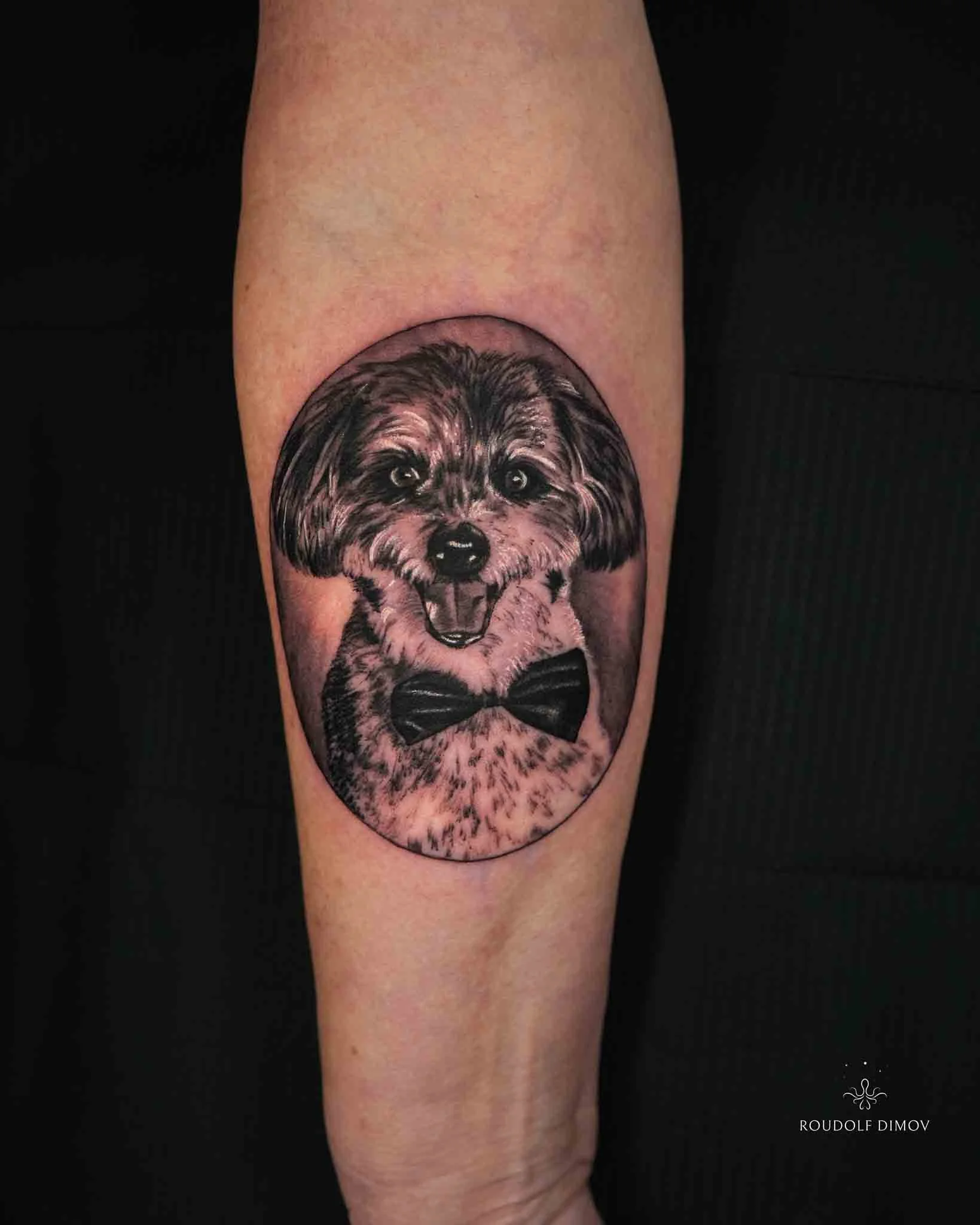
Small Tattoos Can Be Meaningful — But They Function Differently
A small tattoo can hold a deep emotional significance.
It can represent resilience, memory, connection, or identity. Some people collect small pieces over time, building a body of symbols that reflect different stages of their life. That’s powerful in its own way.
But small tattoos and large tattoos are not variations of the same thing.
They are two completely different forms of expression.
Small tattoos:
are simple, minimalistic, direct
capture a symbol, not a story
focus on a single meaning
rely on clean shapes, spacing, and simplicity
Large-scale tattoos:
explore narratives, journeys, emotions, and atmosphere
allow multiple elements to work together
become an art piece that shapes the body
Both are valid. Both are meaningful.
But they exist for different reasons — and realism functions very differently between them.
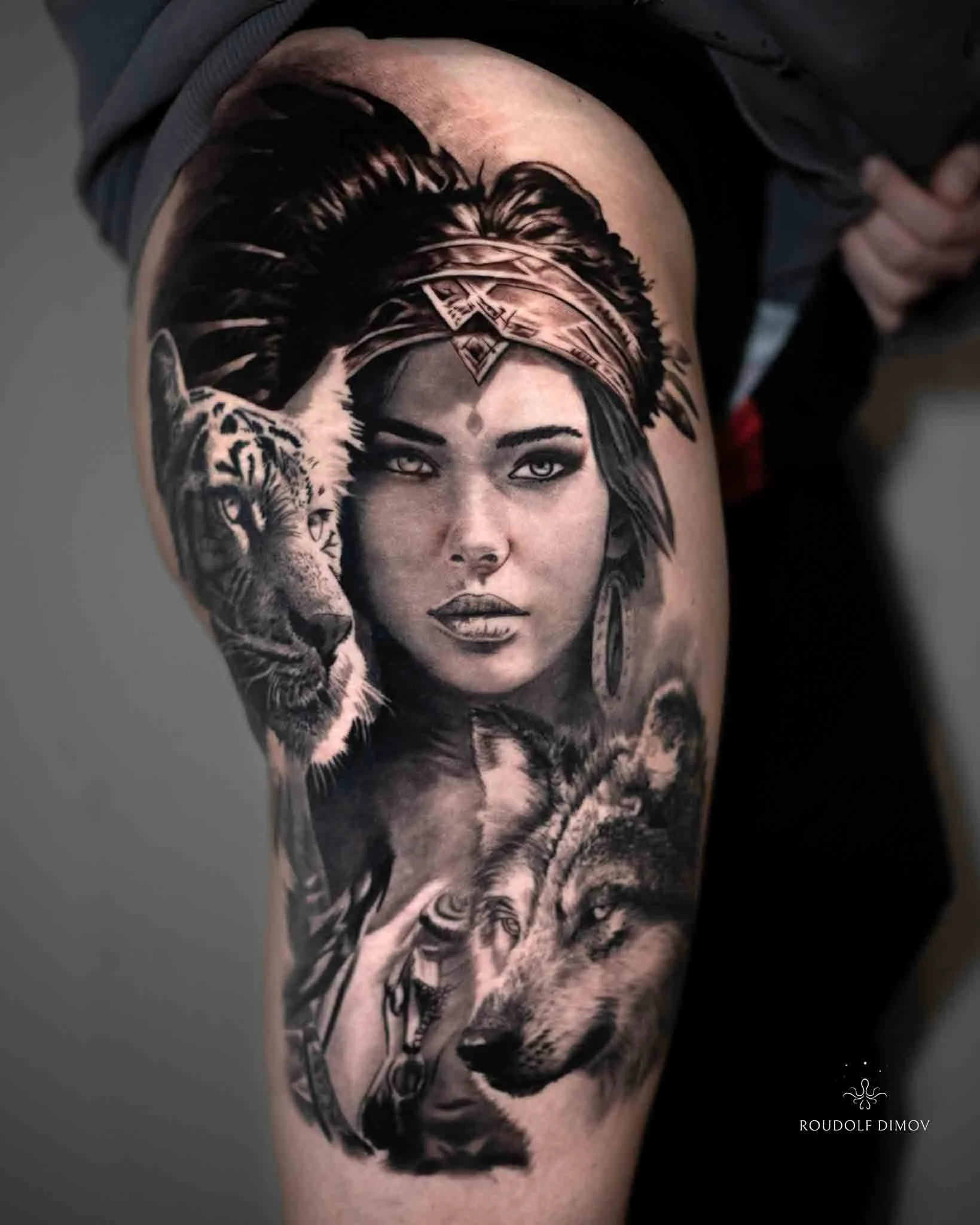
Why Realism Needs Space to Breathe
Black & grey realism is built on elements like:
soft transitions
texture and depth
controlled contrast
atmospheric backgrounds
layered composition
fine details and subtle shifts in value
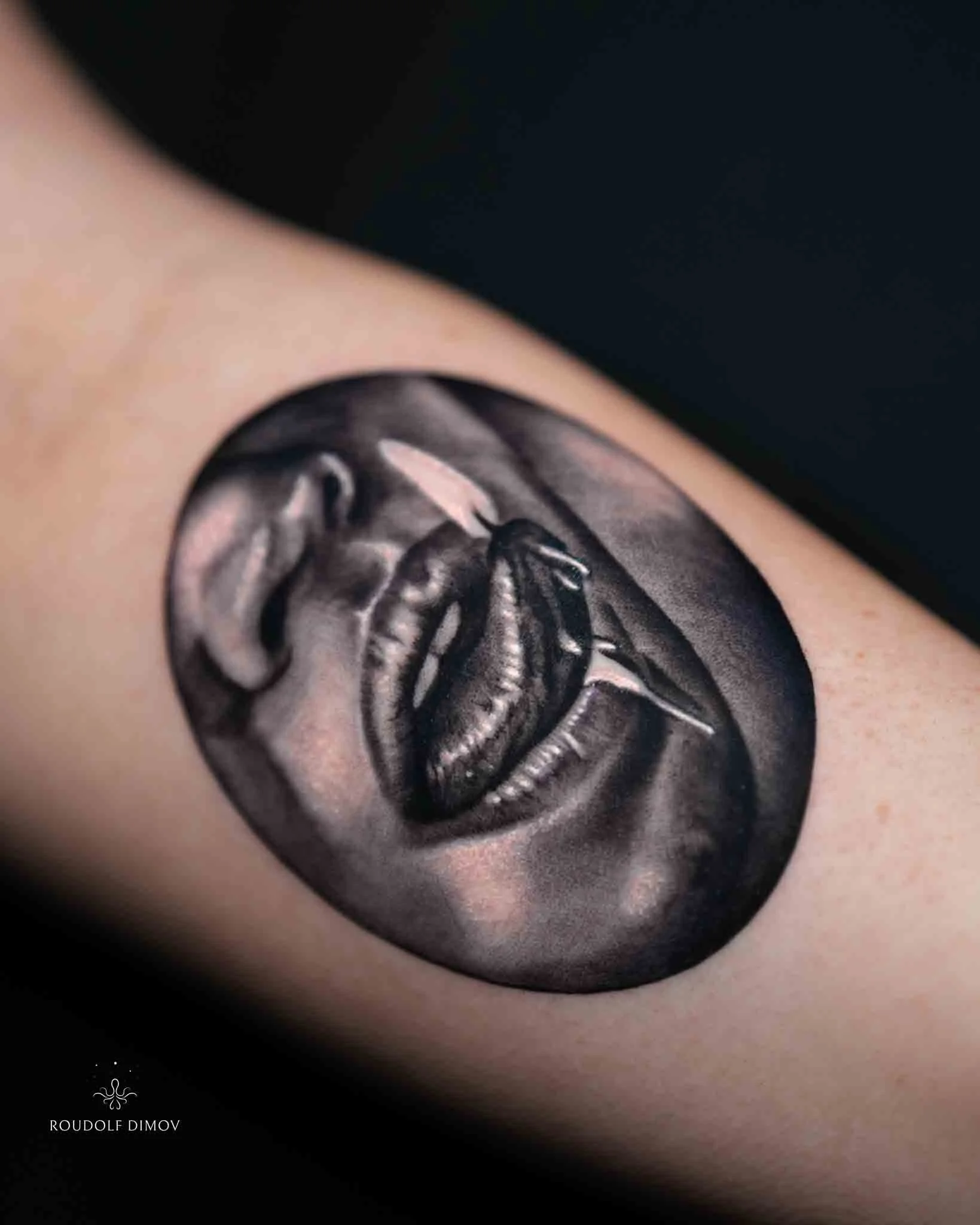
These techniques can absolutely be executed well at smaller sizes — with the right skill, needle control, and understanding of healed skin.
A small tattoo can heal clean, crisp, and sharp when it’s designed correctly and the technique is precise.
But realism has inherent limits when the canvas becomes too small.
In small realism tattoos:
micro-details must be simplified
shading needs to be more controlled and minimal
backgrounds often have to be removed
textures become more symbolic rather than literal
faces, hands, and fine features must be scaled back to stay readable long-term
Skin softens and diffuses ink over time.
Even with perfect technique, anything too small eventually blends slightly as the years pass. This is normal and expected — it’s just the nature of skin, not the artist.
So the question isn’t whether small tattoos can heal well.
They can.
The question is:
What level of realism is achievable at that size?
Larger projects simply provide more room for:
depth
dramatic lighting
atmosphere
layered storytelling
expressive details
smoother transitions
long-term clarity
Realism thrives in space not because small work “fails,” but because certain visual effects can only exist when the design has room to breathe.
Small tattoos are meaningful.
Large tattoos are immersive.
Both work — they just serve different purposes.
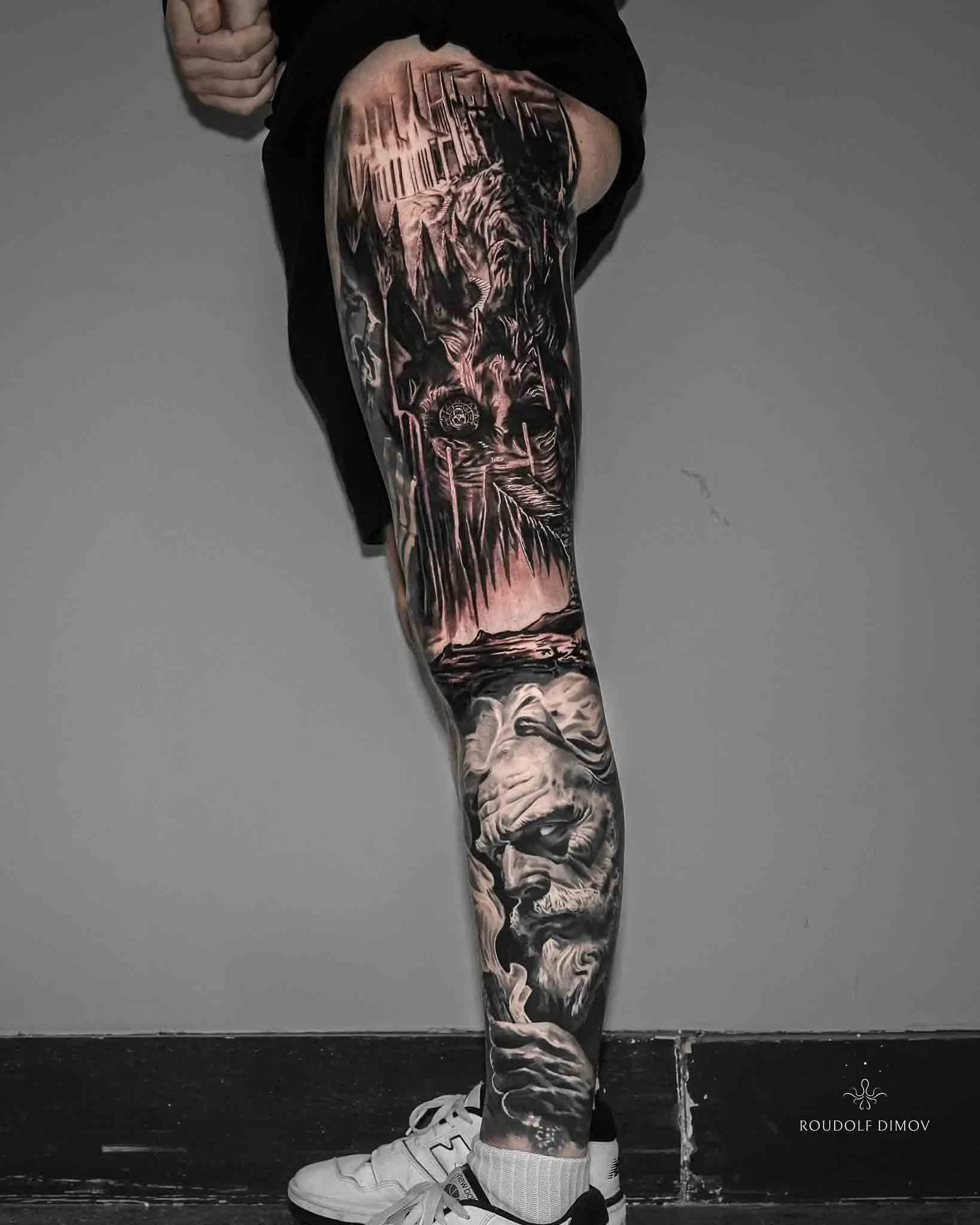
Storytelling Lives in Larger Pieces
One of the main reasons I specialise in large-scale projects is because realism becomes something different — something emotional, cinematic, and immersive — when given enough space.
A sleeve or back piece allows you to build:
a world
a mood
a character
an atmosphere
a story arc
Whether the story is mythological, personal, symbolic, or emotional, it needs space to unfold.
Small tattoos capture a moment.
Large tattoos capture a journey.
With large-scale work, I can create:
depth through layered elements
transitions that connect concepts
lighting that guides the eye
symbolism that feels intentional, not forced
emotional tone through composition and contrast
A realism sleeve becomes a story that moves with the body.
A story someone carries, not just a symbol they wear.
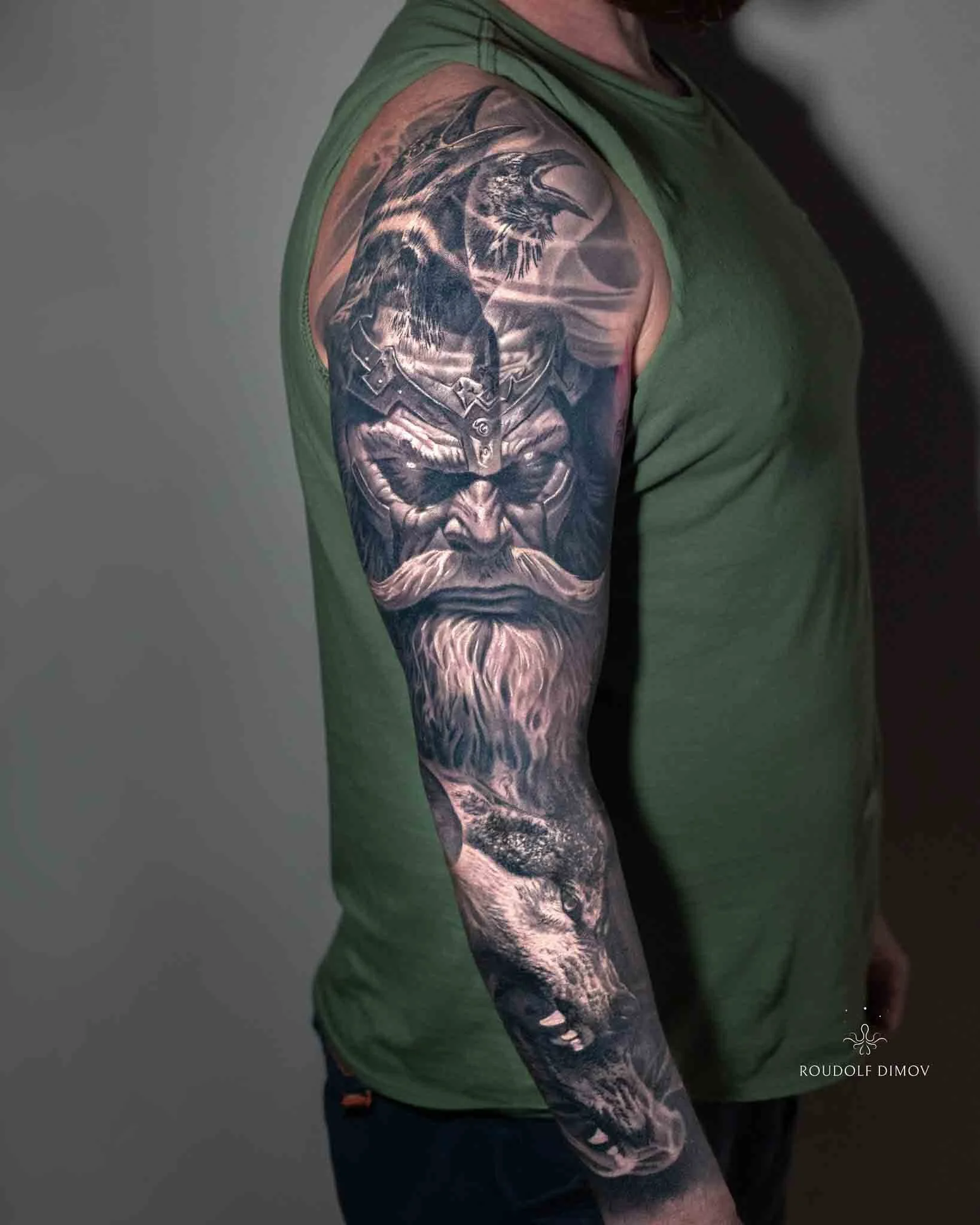
The Visual Impact of Large-Scale Realism
A large-scale piece has presence.
Not just because of size, but because of the way it interacts with anatomy.
A well-designed sleeve:
follows muscle flow
wraps around the arm naturally
creates smooth transitions across angles
reveals different moments as the arm moves
feels connected, not separate
Large realism pieces don’t sit on the body — they shape it.
They become part of the person.
Small tattoos, by contrast, punctuate the body: clean, simple, meaningful points of expression.
Large tattoos transform the body: extended narratives that define space.
Both have beauty.
But the impact is very different.
Longevity and Healed Results: Why Larger Tattoos Age Better
Realism is known for soft gradients — and soft gradients need room.
A small dark area next to a small light area tends to blur as the years pass.
But in a large piece, those gradients can stretch, breathe, and hold their contrast over time.
Larger tattoos:
heal cleaner
hold contrast longer
stay readable from distance
fade more gracefully
allow stronger reworking and reinforcement
This is why many realism artists around the world naturally shift toward bigger projects:
the healed work simply performs better.
Why I Choose to Specialise in Large-Scale Work
This choice comes down to three things:
A. The quality of the final artwork
Large pieces allow me to deliver the best realism possible — not just technically, but emotionally.
I want every piece I create to:
heal beautifully
age gracefully
have depth and atmosphere
feel intentional
resonate with the client long-term
That’s difficult to achieve in small formats.
B. Artistic expression
Large-scale work allows me to create the type of art I’m passionate about.
I can:
build dramatic lighting
create cinematic shadows
design compositions with flow
use symbolic elements without overcrowding
incorporate storytelling without forcing it
build something that feels alive
Small tattoos don’t give me the room to express my style at its fullest potential.
C. Client experience
A sleeve or back piece becomes a collaboration between artist and client.
You build something together over time.
There’s a journey in that.
A sense of commitment, transformation, and trust.
Large-scale work creates:
deeper connection
more meaningful outcomes
art that feels personal, not generic
This aligns with who I am as an artist and the type of experience I want my clients to have.
When Small Tattoos Still Make Sense
Even though I specialise in large-scale work, I want to be clear:
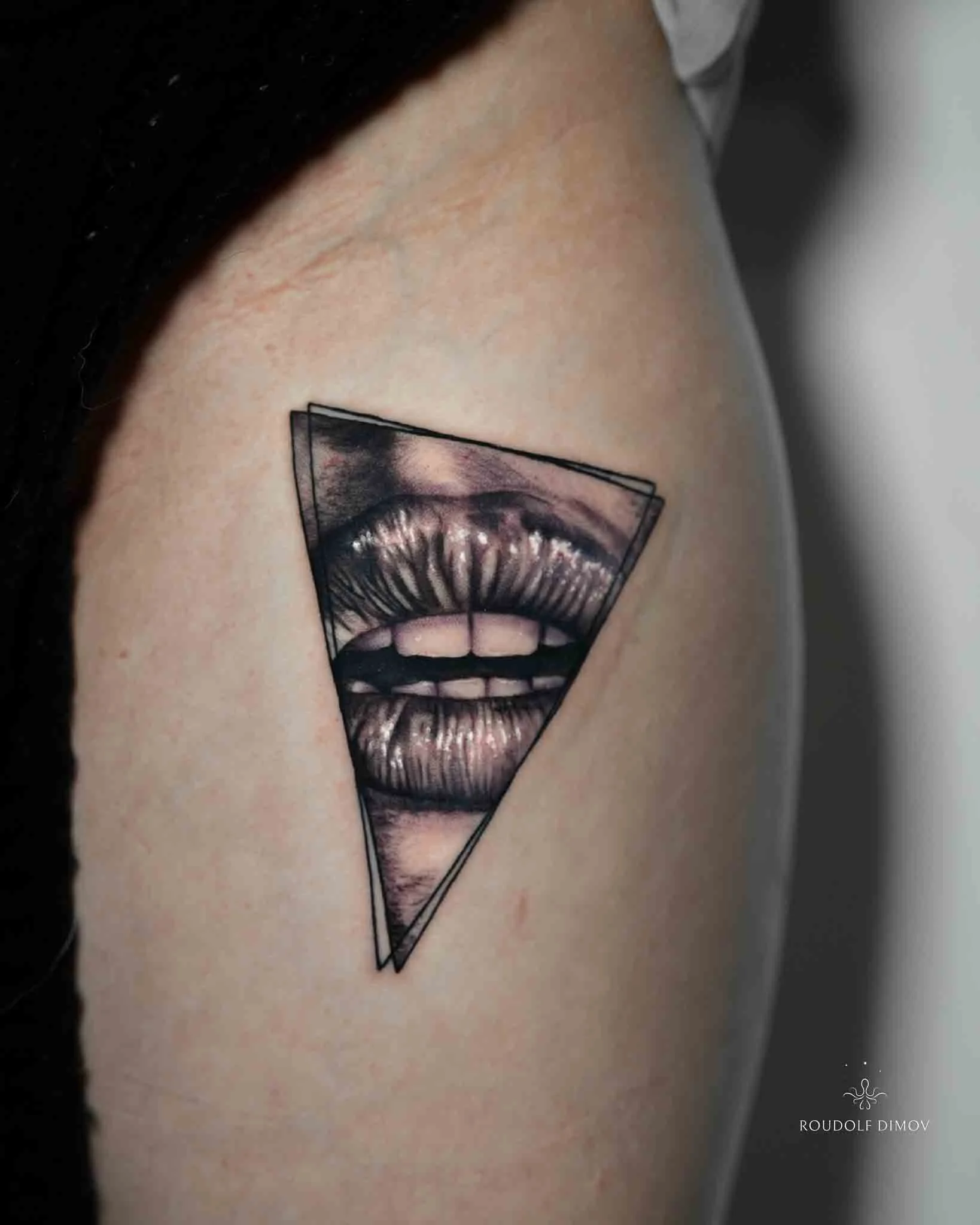
Small tattoos are meaningful.
They serve real, important purposes:
personal reminders
memorials
small symbols of identity
minimalistic aesthetics
pieces collected over time
And for many people, small tattoos are the perfect fit.
I respect that fully.
They are not lesser — they are simply different.
My artistic direction leans toward realism on a grand scale because that’s where my style, training, and vision feel the strongest.
Final Thoughts: Why This Matters
Choosing to specialise in large-scale realism was not a business decision — it was an artistic one.
Large pieces allow me to create:
stronger healed results
richer stories
deeper symbolism
more powerful composition
timeless artwork that lives with the body
Small tattoos carry their own kind of meaning.
Large tattoos carry a different kind of power.
Both are valid. Both are personal.
But the work I feel most connected to — the work that represents my artistic voice — lives in the larger scale.
That’s why I focus on big projects.
Because that’s where my realism has room to breathe, evolve, and become something truly meaningful for the person wearing it.
FAQs
Do you still do small tattoos?
My main focus is large-scale black & grey realism (sleeves, back pieces, leg pieces), but in some cases I may take on smaller pieces if they fit my style and long-term healed quality. The best way to know is to send me your idea with clear photos of the area.
Can we start with a smaller piece and eventually turn it into a sleeve?
Yes, as long as the first piece is planned with the bigger picture in mind. If you know you eventually want a sleeve, it helps to build the first tattoo as part of a future layout, not as a stand-alone sticker.
Are large-scale projects more painful?
The pain per session is similar — the difference is time. Large-scale projects are divided into multiple sessions so your body and skin can handle the process properly.
How many sessions does a sleeve usually take?
It depends on the complexity, size of your arm, skin type, and the level of detail. Some sleeves can be completed in a few long sessions; others are built gradually over many sittings.
What if I already have some small tattoos — can we still build a large piece?
In many cases, yes. We can often work around existing tattoos, tie them into a bigger design, or carefully cover/reshape them if needed. This always requires a proper consultation and honest assessment.
Are large projects always more expensive than small tattoos?
Session by session, the cost is similar — but large-scale work naturally involves more hours. The difference is that you’re investing in a long-term piece that transforms a whole area, not just a single symbol.
Do I need a fully formed idea for a sleeve or back piece?
Not at all. A theme, feeling, or direction is enough. My job is to help you shape that into something visually strong and long-lasting.
🔎 Explore More FAQs:
https://www.roudolfdimovart.com/faq
Explore My Work & Book a Project
👉 Large Projects:
www.roudolfdimovart.com/large-projects
Bring your story. I’ll shape it into art.
👉 Book a Consultation:
https://www.roudolfdimovart.com/booking
📍 London
✉️ info@roudolfdimovart.com